



Monster Encyclopedia No.017
Hobgoblin
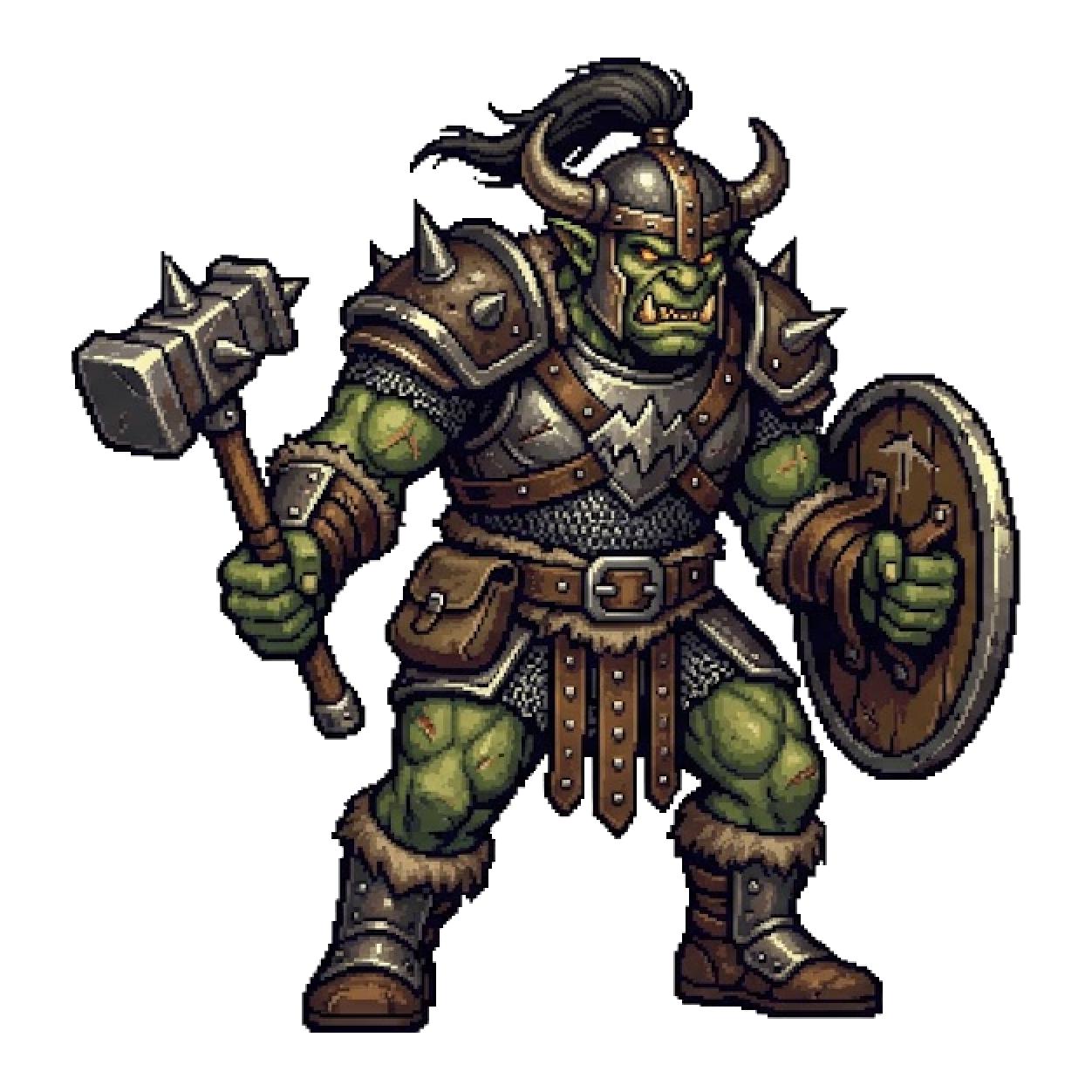
British folkloreA house fairyA small, mischievous spirit
In British folklore (stories told for a very long time), the hobgoblin is a fairy that lives in a house, near the fireplace. It helps with chores, but it is also said to love playing tricks.
Key facts
| Type | A fairy in British folklore (a spirit that lives in a house) |
|---|---|
| Where the stories are told | Mainly England. Similar house fairies are said to be found in Scotland (the bauchan), in Wales (the bwbach) and elsewhere. |
| Earliest written records | The word "hobgoblin" is said to have started being used from the 1520s to around 1530 (according to etymology dictionaries and similar sources). It is said that the spelling appears in Palsgrave's French grammar book of 1530. |
| Family and connections | A close relative of other fairies that help with housework, such as the brownie. Puck (Robin Goodfellow) in "A Midsummer Night's Dream" is also called a hobgoblin. |
| Appearance | In folklore, it is often said to be a small fairy. It is also said to change its shape, but this differs from story to story. |
| Origin of the name | The common view is that "hob" comes from nicknames for "Robert" or "Robin" (such as Hob and Rob). "Goblin" means a small, tricky creature that plays pranks (accounts differ). |
What kind of fairy is it?
The hobgoblin is a fairy that was said to live near the fireplace in British homes. It was thought to be a welcome helper that did housework during the night.
In many stories, the thank-you gift was food such as milk or bread. But if people did not treat it well, it was thought to get upset and play tricks.
The secret of the name
A widely known view is that the "hob" in "hobgoblin" came from a nickname for the name Robert. It is also said to be connected to the name of a fairy called Robin Goodfellow (which means "kind-hearted Robin").
The word is thought to have been in use from the 1520s to around 1530. "Hob" also has another meaning: a metal shelf beside a fireplace.
In folklore 1: How it differs from the brownie
Katharine Briggs, a British researcher of fairies, introduces the hobgoblin as a house fairy close to the brownie (in "A Dictionary of Fairies"; the 1976 edition is often used).
Both are house fairies that help with work at night. Sometimes the hobgoblin is described as more fond of pranks. Also, there are stories that if you give clothes as a present, the fairy goes away. These stories are told about brownies and other house fairies.
In folklore 2: Shakespeare's Puck
In "A Midsummer Night's Dream" (written around 1595 to 1596) by the English playwright Shakespeare, there is a mischievous Puck who serves Oberon, the king of the fairies. Puck is called both "Robin Goodfellow" and "hobgoblin."
Puck teases humans and causes trouble with magic, which makes the story lively and fun.
How the word spread
In later times, "hobgoblin" also came to be used to mean "a frightening thing" or "a ghost." The American thinker Emerson wrote in his 1841 essay "Self-Reliance" something like: "A foolish consistency (always sticking to the same way of doing things) is the hobgoblin of little minds."
How it is commonly treated in games and stories
In recent fantasy works, the hobgoblin often appears as a race that is bigger and stronger than an ordinary goblin. But this is a setting used in modern stories. It is different from the house fairy of the original folklore.
About this illustration
This is an illustration of a big, muscular goblin drawn as pixel art (a picture made by lining up tiny squares). Its sturdy body is its main feature. This big, strong-looking figure is one often used in modern stories. It is the artist's own style, and it is different from the small house fairy of British folklore.
Fun facts
- The word "hob" also means a metal shelf beside a fireplace. It is a different word from the name of the house fairy.
- Briggs also wrote a children's novel called "Hobberdy Dick" (1955). It is a story about a hobgoblin living in a house in the 17th century.
- The Scottish "bauchan" and the Welsh "bwbach" are said to be house fairies similar to the hobgoblin.
Quick quiz
Q. In British folklore, what kind of fairy is the hobgoblin said to be?
The hobgoblin is a fairy that lives near the fireplace of a house. It helps with work at night, but it is also said to love playing tricks.
References
- Katharine Briggs『A Dictionary of Fairies』 (1976; explains house fairies such as the hobgoblin and brownie)
- Oxford English Dictionary, entries "hobgoblin" and "Robin Goodfellow" (first use and origin of the word)
- Online Etymology Dictionary, entries "hobgoblin" and "goblin" (how the words were formed)
- William Shakespeare『A Midsummer Night's Dream』 (Puck = Robin Goodfellow)
- Ralph Waldo Emerson『Essays: First Series』 (1841), "Self-Reliance" (use of the word as a metaphor)
Accounts may differ between sources and regions, and facts or figures can change with new research or rules. This page was translated from the Japanese original.
Download the pixel art
- Free
- No registration
- Commercial use OK
- Edits OK
- Credit optional
- No usage report needed
Please read the terms of use before using it.