



World & Culture Encyclopedia No.014
Furoshiki Wrapping
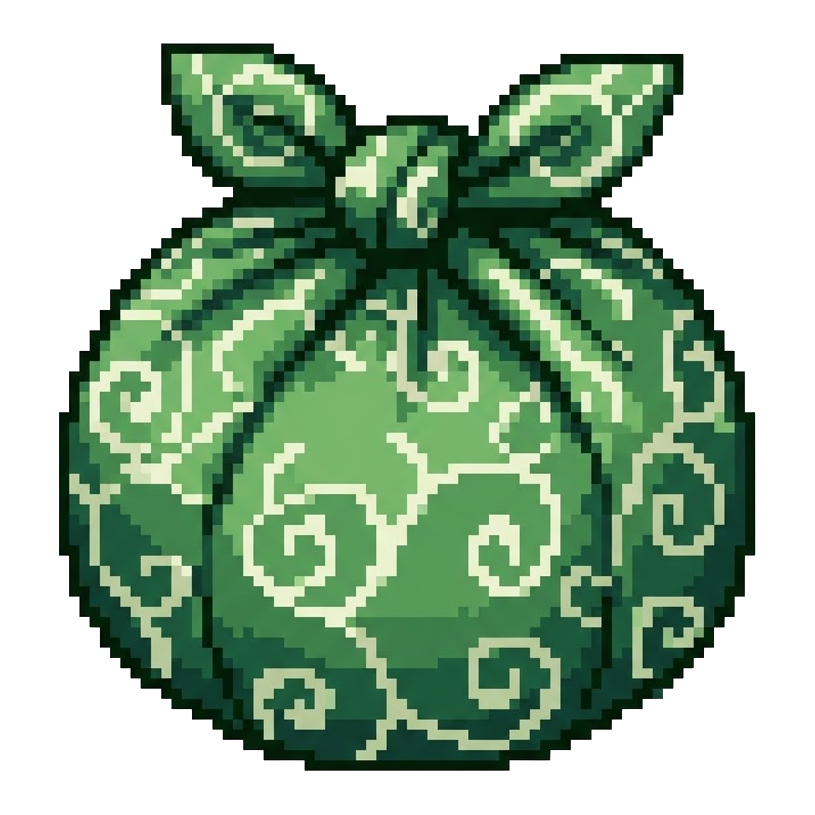
JapanTraditional wrapping clothKarakusa (vine) pattern
A furoshiki is a square cloth used to wrap and carry things. Depending on how you tie it, it can make many shapes of bundle. Today it is also used instead of a shopping bag.
Key facts
| Type | A square cloth for wrapping and carrying things (a traditional Japanese tool) |
|---|---|
| Place | Japan. Today it is also introduced overseas |
| Origin of the name | Said to mean "a cloth spread in the bath." Many explanations say it spread from the custom, in public baths of the Edo period, of wrapping clothes in the cloth or spreading it under them (accounts differ) |
| Earlier names | Said to have been called "hiratsutsumi" (flat wrap) and "koromozutsumi" (clothes wrap), among others |
| Old uses | At the Shosoin (a storehouse for treasures) of the Nara period, cloths used to store treasures remain. They are also said to be the oldest furoshiki |
| Materials | Silk and cotton have been common since long ago. Today some are made of synthetic fibers (man-made threads) |
| Size examples | A small one is about 45 to 50 cm. A "futahaba" (two-width) is about 68 to 70 cm. A "nishaba" (24-width) is about 90 cm on each side (sizes differ from shop to shop) |
| Karakusa pattern | Often said to be a lucky design, because the vines grow long, wishing for a long life and many descendants (accounts differ) |
What is it?
A furoshiki is a cloth that is close to a square. Put things on it and tie the corners, and you can carry them together. By changing the size of the cloth, you can wrap anything from a small lunch box to a big futon.
When you are not using it, you can fold it small. It is light, and you can wash it. Depending on how you use it, it can work like a bag or a sack. It is a handy cloth.
Name and history
The name "furoshiki" is said to come from the meaning "a cloth spread in the bath." Many explanations say that in public baths of the Edo period (baths where many people bathed together), people wrapped their taken-off clothes in the cloth so they would not be mixed up with other people's. But accounts differ about exactly how the name began.
Cloths for wrapping things existed in even older times. At the Shosoin of the Nara period, cloths used to store treasures remain. In later times, they are said to have been called "koromozutsumi" and "hiratsutsumi."
In the Edo period, furoshiki came to be used by merchants to carry goods, and to wrap gifts so they looked beautiful. They spread into everyday life.
The secret of the karakusa pattern
When you hear "furoshiki," many people picture a green cloth with a white karakusa pattern. The karakusa pattern is a design of vines stretching out. Because vines are so full of life, it is said to be a lucky pattern that wishes for a long life and many descendants (accounts differ).
Many were made and widely used, so the image of "furoshiki means karakusa" is said to have formed. In old period dramas, a person carrying a karakusa furoshiki on their back often appears. But that is a standard look in stories. Originally, it was a familiar pattern used in ordinary homes and shops.
Colors and designs differ by region and era, and today there are furoshiki with many kinds of patterns.
Different ways to wrap
Furoshiki wrapping has several named styles.
"Hiratsutsumi" is a wrap with no knot. It is the most formal way and is said to suit gifts. "Otsukai-zutsumi" is a wrap with just one "magomusubi" (also called "hon-musubi"), a square knot. It is easy to use for carrying. "Yotsu-musubi" (four-knot wrap) suits wrapping boxes like a jubako (a square stacked box, like one used for New Year's dishes).
The key to tying is the square knot. When you finish, the knot should lie flat and neat, facing sideways. This is the good form, and it is said to be hard to come undone. If it becomes a vertical knot, it loosens easily, so be careful.
In life today
Today, furoshiki are also getting attention as a replacement for eco bags (reusable shopping bags). They are introduced in materials from local governments as one way to cut down on throwaway bags. For example, a guide from Sapporo City says that for the "watermelon wrap," used for round things like a watermelon, a furoshiki of about 70 cm square or larger is suitable.
Things of different shapes can also be carried by tying them well. Try wrapping things around you, such as a plastic bottle, a book, or a lunch box, and you will see how it works.
The old wisdom of wrapping and carrying precious things is still alive in our lives today.
About this illustration
This is a pixel-art illustration (a picture made of tiny square dots) of a bundle wrapped in a karakusa-pattern furoshiki. The highlight is the cloth tied in a knot on top of the bundle. The colors, the shape of the bundle, and the position of the knot are the illustration's own style and differ from real ones. You can enjoy it as a picture that feels like a Japanese-style trip or a scene from long ago.
Fun facts
- A furoshiki is a cloth close to a square, and size names use the word "haba" (width). "Nishaba" means 2 shaku 4 sun (a traditional length unit), and it is said to be about 90 cm.
- A guide from Sapporo City says that for the "watermelon wrap," used to carry round things like a watermelon, a furoshiki of about 70 cm square or larger is suitable.
- Among furoshiki wraps, the "hiratsutsumi," which has no knot, is said to be the most formal.
Quick quiz
Q. What meaning is the name "furoshiki" said to come from?
It is said to come from the cloth used in public baths of the Edo period to wrap or spread out clothes. But accounts differ about how the name began.
References
- Fun! Japan, article on "furoshiki" (supports the name's origin, history and the karakusa pattern)
- Wafu-web (Shogakukan), articles on furoshiki (supports history and culture)
- Sapporo City (Environment Bureau), furoshiki leaflet (supports size guides, the watermelon wrap and the square knot)
- Musubi (motoji), explanatory article on "the culture of wrapping" (supports wrapping culture and furoshiki history)
- HugKum (Shogakukan), article on how to use furoshiki (supports ways of wrapping as an eco bag)
Accounts may differ between sources and regions, and facts or figures can change with new research or rules. This page was translated from the Japanese original.
Download the pixel art
- Free
- No registration
- Commercial use OK
- Edits OK
- Credit optional
- No usage report needed
Please read the terms of use before using it.