



Food Encyclopedia No.003
Strawberry shortcake (Japanese style)
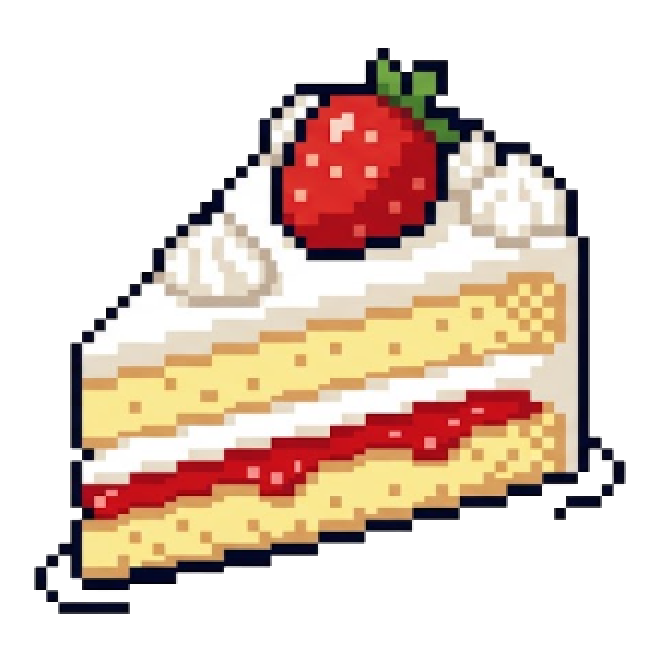
Western-style cakeSponge and fresh creamA classic for celebrations
A cake made with fluffy sponge, fresh whipped cream and strawberries. It is said to have spread in Japan after an American sweet was changed to suit Japanese tastes. A well-known account says a company called Fujiya began selling it in 1922.
Key facts
| Category | Western-style sweet (a sweet that came from the West). In Japan, the word often means a sponge cake with fresh cream and strawberries. |
|---|---|
| Main ingredients | Flour, eggs, sugar, milk or fresh cream, and strawberries. Some recipes also use butter. |
| Allergy note | Wheat, eggs and milk are usually used. People with food allergies should always check the food label. (These are ingredients that must be shown on labels.) |
| History and origin | It is said that an American shortcake was reworked for Japan and then spread. The account that Fujiya began selling it in 1922 is often told. (There are other accounts too.) |
| Difference from the American kind | American shortcake is often based on a crisp, biscuit-like dough. The Japanese kind is built around soft sponge cake. |
| Strawberry season | Strawberries are often sold from winter to spring. Cake shops may use them in other seasons too. |
| How it is eaten | As a cake for celebrations, as a snack, or as a dessert at a café. |
| Storing it | Because it has fresh cream, keep it cold in the refrigerator and eat it as soon as you can. Follow the label from the shop where you bought it. |
What kind of food is it?
Shortcake is a cake with fluffy sponge. It is covered with whipped fresh cream and topped with strawberries. Cream and strawberries are often layered between the sponge too, so the cut side looks pretty.
The white cream and red strawberries look bright together. Many people eat it on celebration days such as birthdays and Christmas.
The height of the sponge, the sweetness of the cream and the number of strawberries are different from shop to shop. Even with the same name, each cake tastes a little different. That is part of the fun.
What does "short" mean in the name?
"Short" is the English word short. People often think it means "not long." But in the world of sweets, it has also been used to mean "crumbly and easy to break," as the explanation goes.
The original shortcake was a crisp sweet made with plenty of butter and similar ingredients. In America, a well-known kind pairs a biscuit-like dough with strawberries and fresh cream.
Some parts of the road to today's cake are not well understood.
History in Japan
Japanese shortcake is said to be an American sweet reworked to suit Japanese tastes. According to Fujiya, a Western-style sweets company, its founder Rinemon Fujii (written in Japanese as 藤井林右衛門) changed a biscuit-like cake he saw in America so that it would suit Japanese mouths. He also used French pastry skills, and they say he came up with shortcake in 1922.
However, there are other accounts besides Fujiya's about who made the first shortcake in Japan. We do not know well what cakes of that time looked like, because no detailed pictures or photos remain.
After that, shortcake became a classic for celebrations in Japan.
Tips for enjoying it
Fresh cream gets soft in a warm place and loses its shape easily. When you bring a cake home, put it in the refrigerator right away.
If you take it out a little before eating, the sponge becomes nicely soft. But do not leave it out for a long time.
Soil easily sticks near the strawberry's calyx (the green part at the top). When you bake at home, wash the strawberries before using them. It is said that washing them with the calyx still on keeps them from getting watery.
When you bake at home, the oven temperature and time change how much the sponge rises. If you measure the amounts in the recipe, it is easier to succeed.
Staying safe when you eat it
Shortcake usually uses flour, eggs, and milk or fresh cream. These three can cause food allergies, so the rules say they must be shown on food labels.
If you have an allergy, or the person eating with you does, ask the shop about the ingredients or read the label to be sure.
Also, a cake with fresh cream goes bad easily. When you carry it on a hot day, use a cold pack and eat it soon.
About this illustration
This is a pixel-art picture of a shortcake with a strawberry on top. Small square dots make the shape of the cake. The colors and the number of small decorations are part of the picture and differ from a real cake. You can use it for scenes about sweets or cafés.
Fun facts
- The name "shortcake" comes from the English word shortcake. American shortcake is often based on a biscuit-like dough, so it looks different from the Japanese kind.
- An account often told says that Fujiya came up with Japanese shortcake in 1922. The year 2022 marked 100 years since then.
- On food labels, wheat, eggs and milk must be shown because they are common causes of allergies.
Quick quiz
Q. How is the sponge in Japanese shortcake different from the dough of the original American shortcake?
American shortcake is often based on a crisp, biscuit-like dough. In Japan, the kind made with fluffy sponge cake became popular.
References
- Fujiya, "不二家の想い" (a cake and Western-sweets brand site; supports the founder Rinemon Fujii and the 1922 shortcake)
- National Diet Library, "レファレンス協同データベース" (Reference Collaborative Database; sorts out the origin of Japanese shortcake, noting that besides the Fujiya account there are others, such as the Colombin account)
- Consumer Affairs Agency, guide to "食品表示" (food labeling; supports the allergy-labeling rules for wheat, eggs, milk and more)
- Ministry of Education, Culture, Sports, Science and Technology, "日本食品標準成分表" (Standard Tables of Food Composition in Japan; an official source for the nutrients in strawberries, flour, eggs, milk and more)
Accounts may differ between sources and regions, and facts or figures can change with new research or rules. This page was translated from the Japanese original.
Download the pixel art
- Free
- No registration
- Commercial use OK
- Edits OK
- Credit optional
- No usage report needed
Please read the terms of use before using it.