



Food Encyclopedia No.014
Ramen
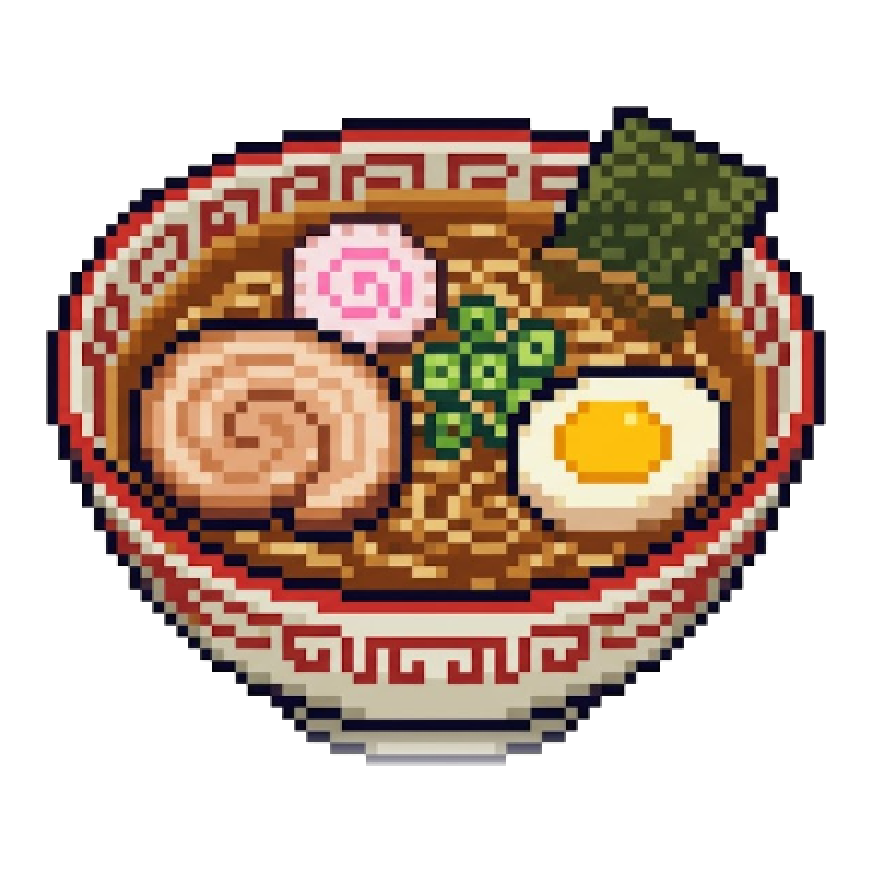
Noodle dishRooted in Chinese noodlesA national favorite food of Japan
Ramen is a dish of wheat noodles served in soup. It is said to come from Chinese noodle dishes, and it spread across Japan from the Meiji period onward. Different regions have their own local ramen with different tastes, and instant noodles were invented too.
Key facts
| Type | Noodle dish. Chinese-style noodles are made by adding "kansui" (salty water that is alkaline) to wheat flour. They are eaten in soup. |
|---|---|
| Main ingredients | Noodles (wheat flour, kansui and so on), soup, and toppings (chashu pork, menma bamboo shoots, green onion, seaweed, egg, naruto fish cake and so on). Toppings differ by shop and region. |
| Roots | Said to come from Chinese noodle dishes. In Japan, it is said to have spread from the Meiji period onward in Chinese restaurants in places such as Yokohama (accounts differ). |
| Old names | It used to be called "chuka soba," "shina soba," "nankin soba" and other names. |
| Well-known local ramen | Sapporo (miso), Kitakata (soy sauce, flat curly noodles), Hakata (pork-bone soup, thin noodles) and others. There are many more all over Japan. |
| Instant noodles | In 1958, instant noodles (noodles you can eat just by adding hot water) went on sale in Japan. They were made by frying the noodles in oil and drying them. |
| Allergy warning | The noodles are made with wheat. Some noodles and toppings also contain egg. People with allergies should always check the ingredients on the shop's information or the product label. |
| Eating and storing | At a shop, eat it freshly made. For fresh noodles and instant noodles, follow the storage method and date on the label. |
What kind of food is it?
Ramen is a dish of noodles made from wheat flour, served in warm soup. The soup comes in many flavors, such as soy sauce, miso, salt and tonkotsu (soup made by simmering pork bones).
Ramen noodles are made with something called "kansui." Kansui is salty water that is alkaline. It is said that when it is mixed into wheat flour, the noodles become chewy (firm and springy), and their color and smell become different from udon noodles.
Common toppings are chashu (simmered pork), menma (bamboo shoots), green onion, seaweed, and a boiled egg cut in half. Sometimes a pink swirl-patterned naruto is added too. Naruto is a food made from fish paste (fish meat that has been mashed). It is said that the swirl comes from the whirlpools (water in the sea moving around and around) of Naruto in Tokushima Prefecture.
History and origins
Ramen is thought to come from Chinese noodle dishes. In Japan, there was a famous story that Tokugawa Mitsukuni of the Mito domain (now Ibaraki Prefecture) was the first person in Japan to eat it, around the 17th century. However, there is no clear proof of this.
Then the Shin-Yokohama Ramen Museum introduced a record in a diary kept by a Buddhist monk from the Muromachi period. The diary, called "Inryoken Nichiroku," says that in 1488, a noodle called "keitaimen" was served to guests. This noodle is thought to have been made using something close to kansui. Because of this, the story about who ate it first is being reconsidered. Still, some people think that this noodle was eaten mainly by monks and people of high rank, and was not a food for ordinary people.
Ramen close to what we eat today is said to have spread through Japanese towns from the Meiji period onward. Noodles served in restaurants in towns with many Chinese residents, such as Yokohama's Chinatown, became popular (accounts differ).
Why it spread all over Japan
After World War II, more people sold ramen at food stalls and small shops. It is said that it spread across Japan as an affordable food.
As it spread, each place developed its own special features. For example, Sapporo is famous for miso flavor, Kitakata for soy sauce flavor and flat curly noodles, and Hakata for tonkotsu soup and thin noodles. Ramen that is special to a certain area like this is called "local ramen."
There are also different accounts of how the name "ramen" came about. One account says it began when the word was used in a Sapporo restaurant in the 12th year of the Taisho era (1923), but this is not certain.
Instant noodles you make with hot water
In 1958, instant noodles were put on sale in Japan. The noodles were steamed once, flavored, and then fried in oil and dried. Frying makes tiny holes in the noodles, so when hot water is poured on them, they easily return to a state close to the original noodles.
It is also said that some companies made similar instant noodles before this, so opinions differ on "who was first."
Instant noodles spread from Japan to the world, and now they are eaten in many countries. The World Instant Noodles Association says that more than 100 billion servings of instant noodles are eaten around the world in one year (in 2017, it was about 100.1 billion servings; the number changes from year to year).
Body, nutrition and safety
Ramen noodles are mainly made of wheat flour, so they contain carbohydrates (the nutrient that gives your body energy to move). Depending on the soup and toppings, you can also get protein and nutrients from vegetables.
The soup can contain a lot of salt. So it is good to think about the whole balance, for example by deciding whether to leave some soup or by adding vegetables.
For safety, you need to be careful about allergies. Wheat in the noodles, and egg, are included in the "specific ingredients" that must be shown on food labels. People with allergies should ask the shop staff or check the product label before eating. Also, be careful of burns from hot soup.
About this illustration
This is pixel art (a picture drawn with tiny square dots) of a bowl of ramen with naruto, egg and seaweed on top. You can use it as a food icon. The placement and colors in the picture are the artist's own style. Real ramen differs in noodles, soup and toppings depending on the shop and region.
Fun facts
- The Shin-Yokohama Ramen Museum opened in 1994. Its basement recreates a town from the 33rd year of the Showa era (1958), and ramen shops from around Japan are gathered there.
- 1958 is also the year instant noodles went on sale in Japan.
- The swirl on naruto is said to be named after the whirlpools of the Naruto Strait in Tokushima Prefecture.
Quick quiz
Q. When making ramen noodles, wheat flour is mixed with "kansui." What is kansui?
Kansui is salty water that is alkaline. It is said that when it is mixed into wheat flour, the noodles become chewy, and their color and smell become different from udon.
References
- Shin-Yokohama Ramen Museum (introduction to ramen history; the Muromachi-period record "Inryoken Nichiroku"; the museum's opening and the 1958 townscape)
- Yokohama Official Visitors' Guide, Yokohama city's official tourism site (the opening of the Shin-Yokohama Ramen Museum)
- 日本即席食品工業協会 (Japan Convenience Foods Industry Association; history and materials on instant noodles)
- World Instant Noodles Association (total worldwide demand for instant noodles)
- nippon.com "Japan Data" article explaining instant noodles
- 消費者庁「食物アレルギー表示について」 (Consumer Affairs Agency, on food allergy labeling; labeling of specific ingredients)
Accounts may differ between sources and regions, and facts or figures can change with new research or rules. This page was translated from the Japanese original.
Download the pixel art
- Free
- No registration
- Commercial use OK
- Edits OK
- Credit optional
- No usage report needed
Please read the terms of use before using it.